Learn the key differences between whole and ultra-processed foods and how they impact your metabolic health, weight, and even brain function—based on trusted research.
🥕 What Are Whole Foods?
Whole foods are minimally processed, meaning they are close to their natural form and free from additives.
Examples include:
- Oats, brown rice, quinoa
- Fresh fruits and vegetables
- Legumes, plain yogurt, eggs, fish, unprocessed meats
- Nuts and seeds

🧁 What Are Ultra-Processed Foods?
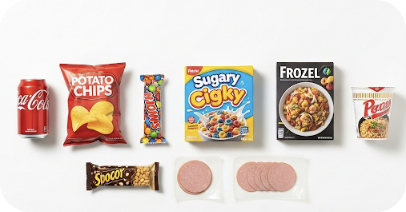
Ultra-processed foods (UPFs) are industrial formulations made mostly from extracts, additives, and substances not commonly used in home cooking.
Examples include:
- Soda, chips, candy, frozen meals
- Sugary breakfast cereals
- Packaged snacks, deli meats, instant noodles
🔍 According to Harvard and the World Health Organization, a high intake of UPFs is associated with obesity, type 2 diabetes, cardiovascular disease, depression, and cognitive decline.
⚖️ Health Impact: Whole vs. Ultra-Processed
| Factor | Whole Foods | Ultra-Processed Foods |
| Satiety | High | Low |
| Blood sugar impact |
Stable | Sharp spikes |
| Nutrients | Rich in fiber and antioxidants |
Lacking in micronutrients |
| Additives | Minimal or none | High in artificial ingredients |
| Long-term health | Protective | Increases chronic disease risk |
🔬 What Does the Research Say?
- BMJ (2019): Higher ultra-processed food intake is linked to increased all-cause mortality.
- JAMA Neurology (2022): Individuals with the highest UPF intake had a 28% greater risk of cognitive decline.
- NutriNet-Santé (France): Found correlations between UPFs and increased risk of cancer and cardiovascular diseases.
🍴 3 Real-World Tips to Reduce Ultra-Processed Foods
Here’s how to make simple but meaningful changes:
✅ 1. Swap Sugary Cereal for Oats + Nuts + Berries
- Instead of: Frosted flakes or granola clusters
- Try: Cooked oats topped with almonds, blueberries, banana slices, and cinnamon
- Why: Reduces added sugars while boosting fiber and antioxidants
✅ 2. Replace Deli Meats with Cooked Eggs or Chicken
- Instead of: Ham or sausage in sandwiches
- Try: Sliced boiled eggs or home-roasted chicken breast
- Why: Cuts back on sodium, nitrates, and preservatives
✅ 3. Trade Packaged Snacks for Real Fruit + Healthy Fats
- Instead of: Cookies or energy bars
- Try: Apple slices with almond butter or dates stuffed with walnuts
- Why: Keeps blood sugar stable and satisfies cravings naturally
🧘 Final Thoughts
Whole foods nourish your body with real nutrients and support long-term health.
Ultra-processed foods may be convenient, but regular consumption is linked to chronic diseases and cognitive issues.
Start small—one meal or snack at a time.
A better plate leads to a better life.